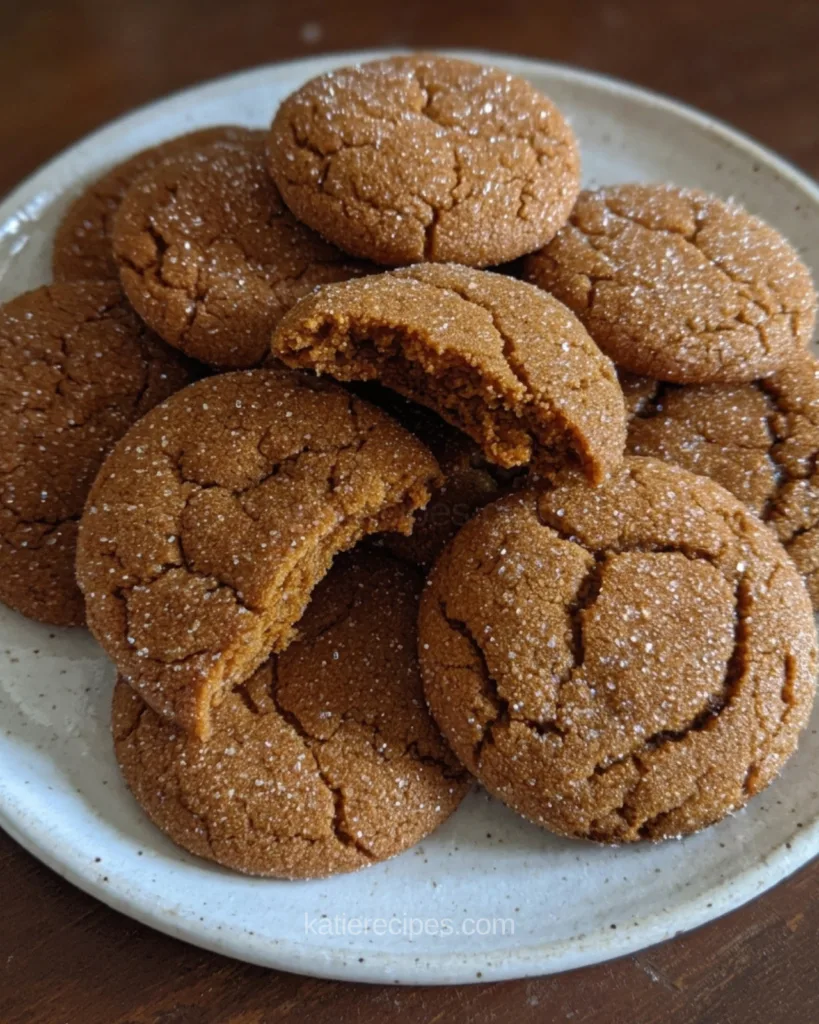
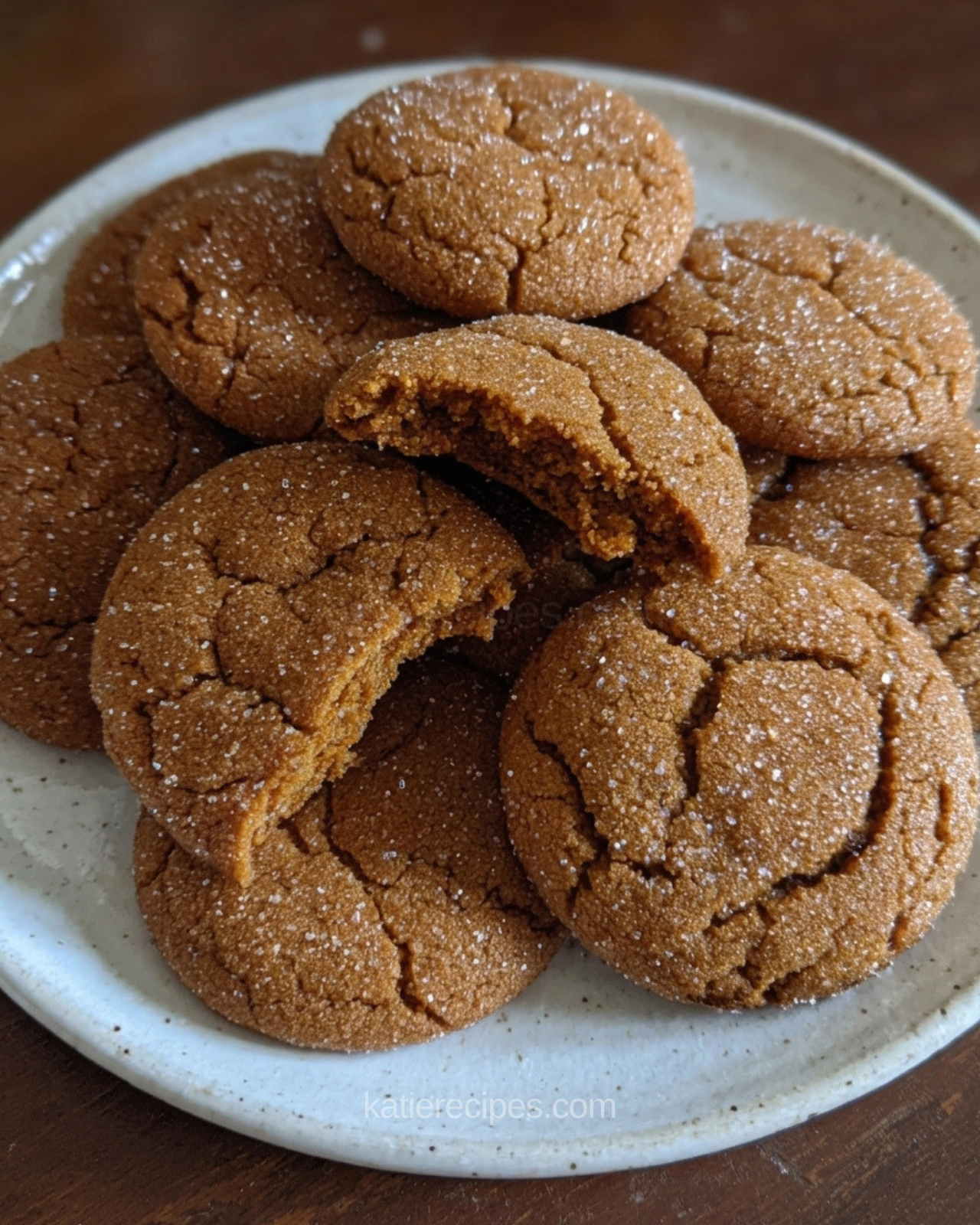
There’s a reason molasses cookies show up on every Christmas cookie tray I’ve ever seen. They’re soft and chewy in the middle, a little crisp at the edges, covered in sparkly sugar, and they make the whole house smell like the holidays while they bake.
These are the cookies my kids ask for the minute the weather turns cold. I’ve baked a lot of batches over the years, and I’ve had every problem in the book: cookies that puffed up like little domes, cookies that spread into one giant cookie, cookies that tasted a bit like soap. This version is the one I landed on after fixing all of that. It has those beautiful crackly tops, a deep molasses flavor without bitterness, and it doesn’t need a whole afternoon of chilling.
I’ll walk you through which molasses to buy, how to get the cracks, and exactly what to do if your cookies come out too flat or too puffy.
Table of Contents
Why You’ll Love This Recipe
Soft, chewy centers with crackly sugar tops. The classic old-fashioned texture.
No bitter aftertaste. A little less baking soda than many recipes, enough to rise and crack without tasting soapy.
Only 1 hour of chilling. Not 2, not overnight, and no whole afternoon.
All butter, no shortening. Rich flavor, and you probably already have everything.
Freezer-friendly. Roll the dough balls once and bake fresh cookies whenever you want.
Easy to make gingery. A few small changes turn them into ginger molasses cookies.
Ingredients You’ll Need
Makes about 26 cookies.
2 1/4 cups (280 g) all-purpose flour – Spoon it into the cup and level it off, or weigh it. Scooping packs in extra flour and gives you thick, puffy cookies.
1 1/2 teaspoons baking soda – It makes the cookies rise and crack. A little less than many recipes keeps the bitterness out.
1/4 teaspoon table salt or fine sea salt (or 1/2 teaspoon Diamond Crystal kosher salt) – Just enough to balance the sweetness.
2 teaspoons ground ginger, 1 1/2 teaspoons ground cinnamon, 1/4 teaspoon ground cloves and 1/4 teaspoon ground allspice – The classic spices.
A pinch of black pepper (optional) – A gentle warmth nobody can quite put their finger on.
3/4 cup (170 g) unsalted butter, softened – Soft enough to press with a finger, but not greasy or melting.
1/2 cup (100 g) granulated sugar and 1/2 cup (110 g) packed dark brown sugar – Dark brown gives a deeper flavor and richer color. Light brown works, just paler.
1 large egg, at room temperature – Nothing fancy.
1/3 cup (113 g) unsulphured molasses – Original or robust, not blackstrap. More on that below.
1 teaspoon vanilla extract – Rounds out the spices.
1/3 cup granulated or turbinado sugar, for rolling – Turbinado gives a bigger, crunchier sparkle.
How to Make This Recipe
In a medium bowl, whisk together the flour, baking soda, salt, ginger, cinnamon, cloves, allspice and pepper, and keep whisking until the baking soda is evenly spread. Clumps of it are one reason cookies taste bitter in spots.
In a large bowl, beat the butter with both sugars on medium speed for about 2 minutes, until light and fluffy. Beat in the egg, then the molasses and vanilla, until smooth, and scrape down the bowl. It might look a little curdled at first. That’s normal, and it comes together once the flour goes in.
Add the flour mixture and mix on low just until no dry streaks remain. The dough will be soft and a bit sticky, which is how it should be. Cover and refrigerate for 1 hour, so the cookies don’t spread too much and the dough is easy to roll. You can chill it up to 24 hours, but let overnight dough sit on the counter for 15 to 20 minutes first. Rock-hard dough won’t spread or crack properly.
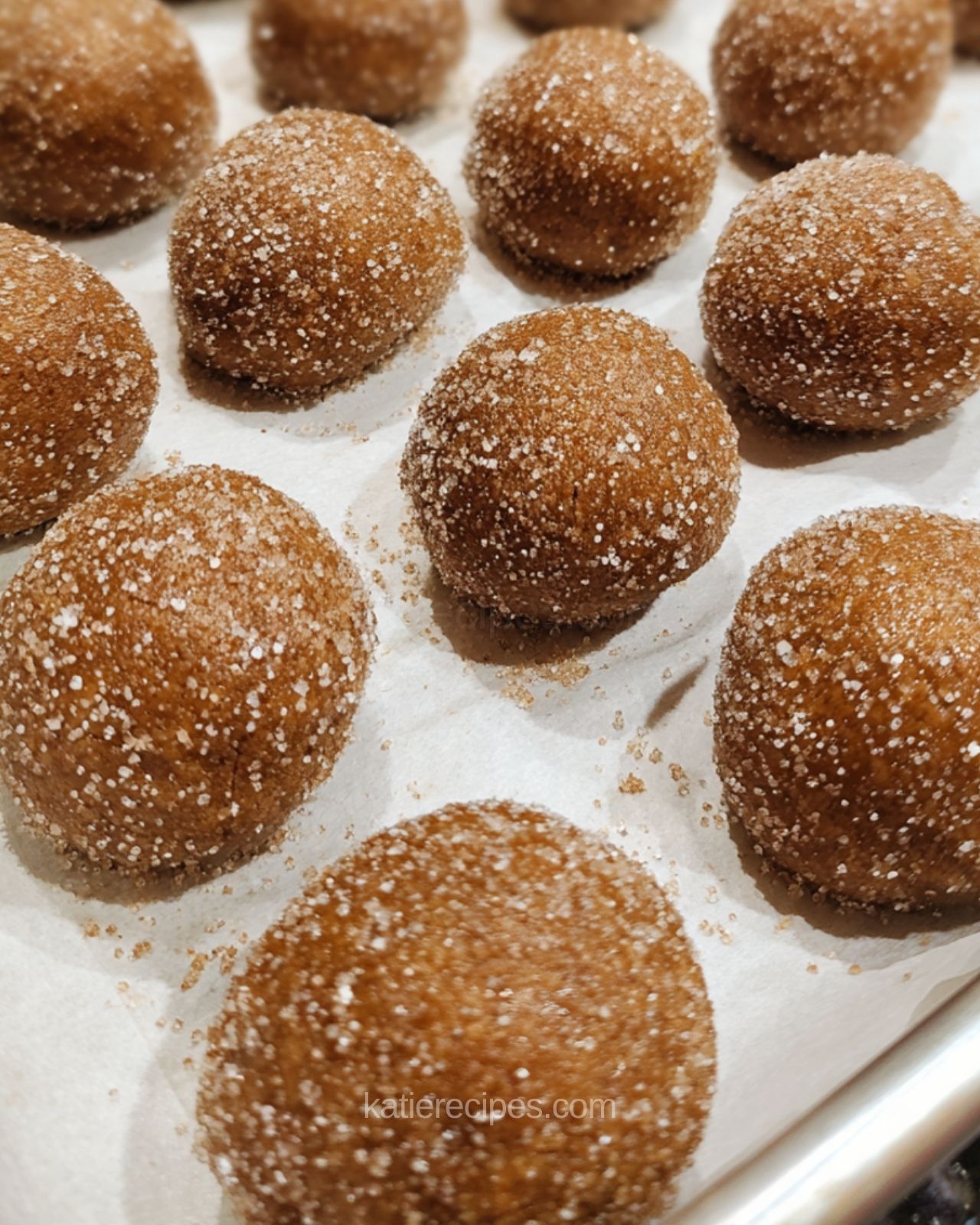
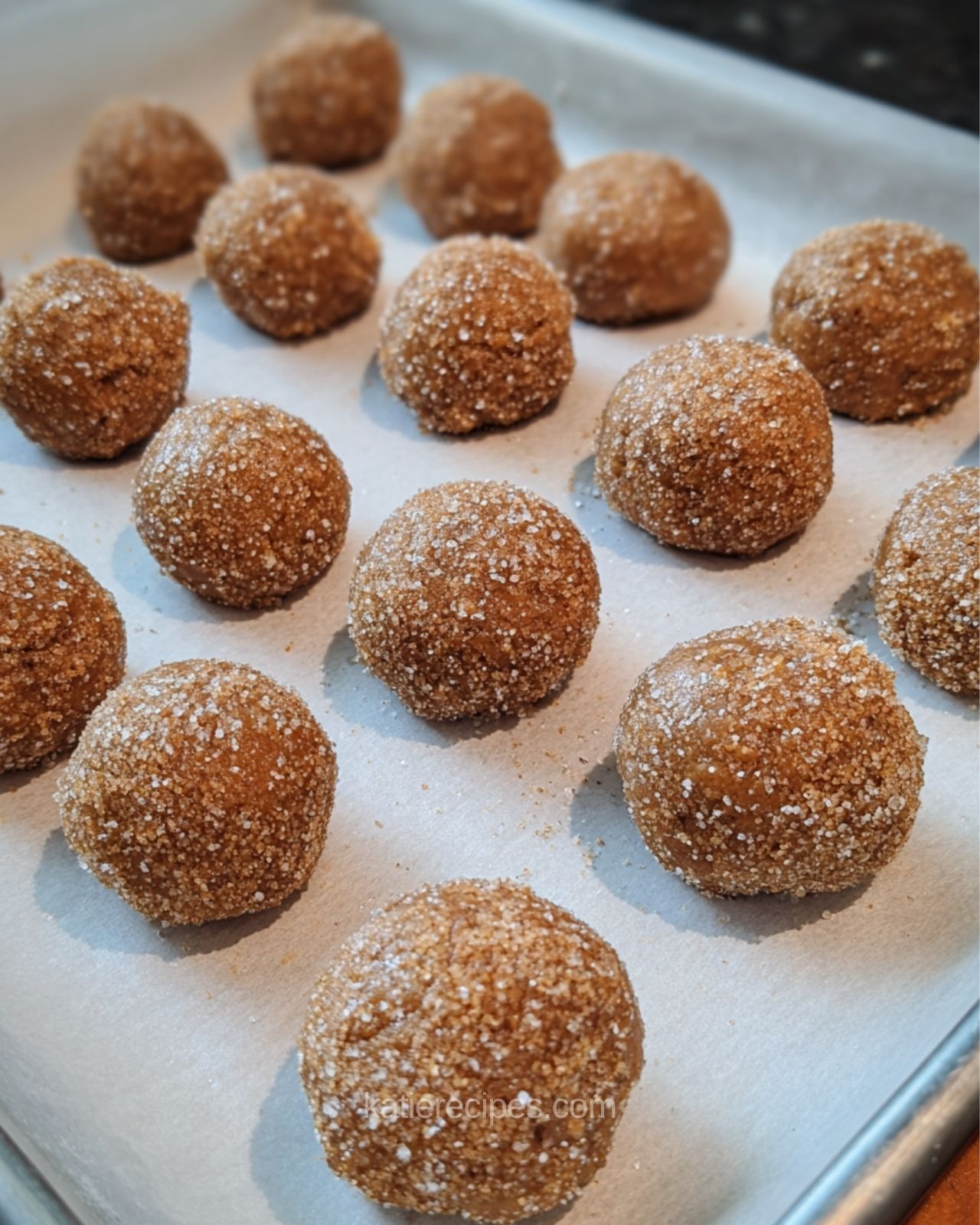
Preheat the oven to 350°F and line baking sheets with parchment. Scoop 1 1/2-tablespoon balls (about 30 grams each), roll them smooth between your palms, then roll each one in sugar until it’s completely coated. Place them 2 1/2 to 3 inches apart. They spread more than you’d think, and crowded cookies bake into each other. I fit 12 on a standard half-sheet pan.
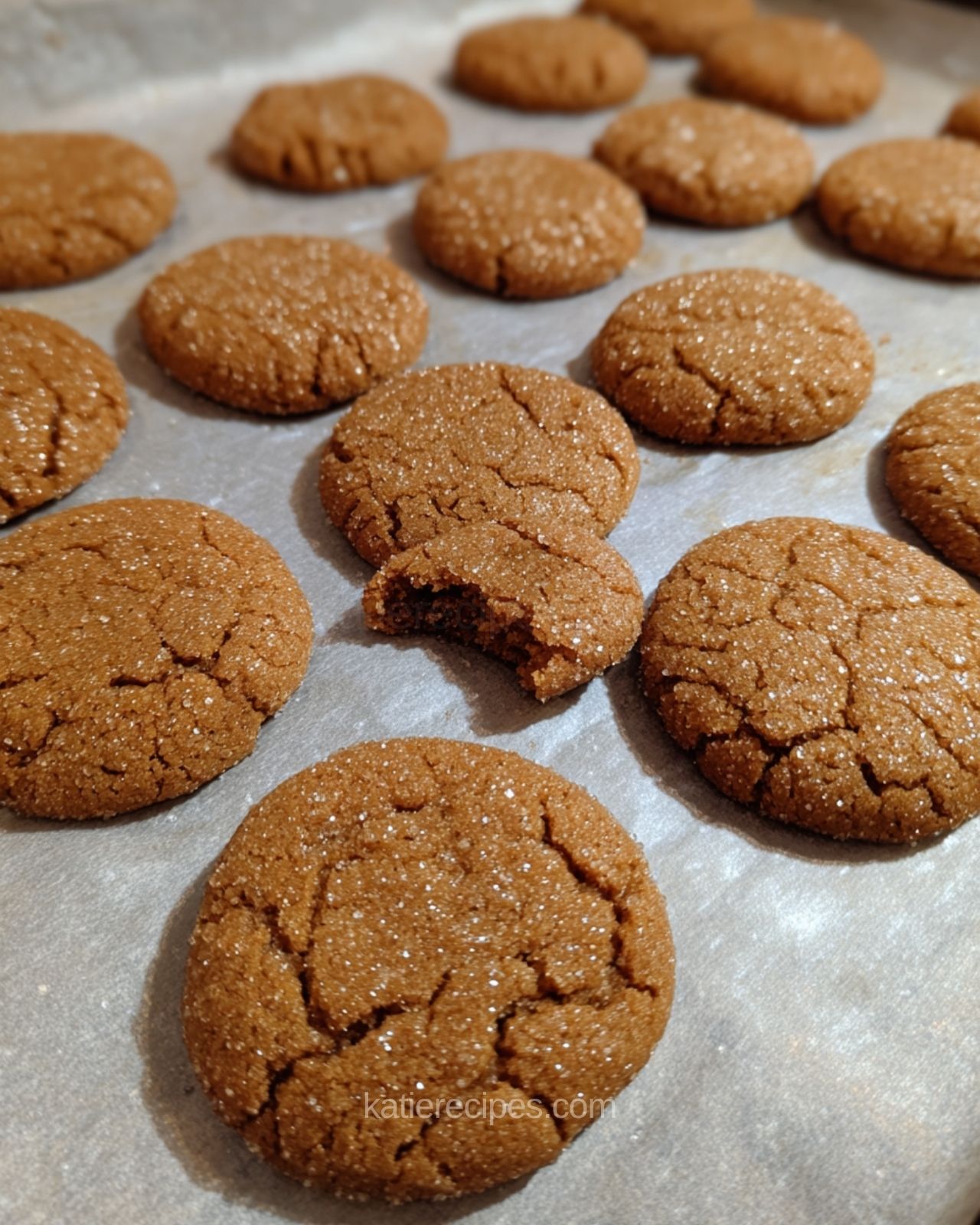
Bake one sheet at a time on the middle rack for 9 to 11 minutes. They’re ready when the edges look set, the tops have started to crack and the centers still look puffy and a little underdone. They’ll sink and crack more as they cool. If you bake two sheets at once, rotate and swap them halfway through. Let the cookies rest on the pan for 3 to 5 minutes, just until they’re firm enough to move, then slide them onto a wire rack. Any longer and the bottoms keep baking and turn crunchy.
Molasses Cookies
Soft, chewy molasses cookies with crackly sugar tops, warm ginger and cinnamon spice and a deep molasses flavor without bitterness. Makes about 26.
Ingredients 15 items
Instructions 9 steps
-
1
Whisk the dry ingredients
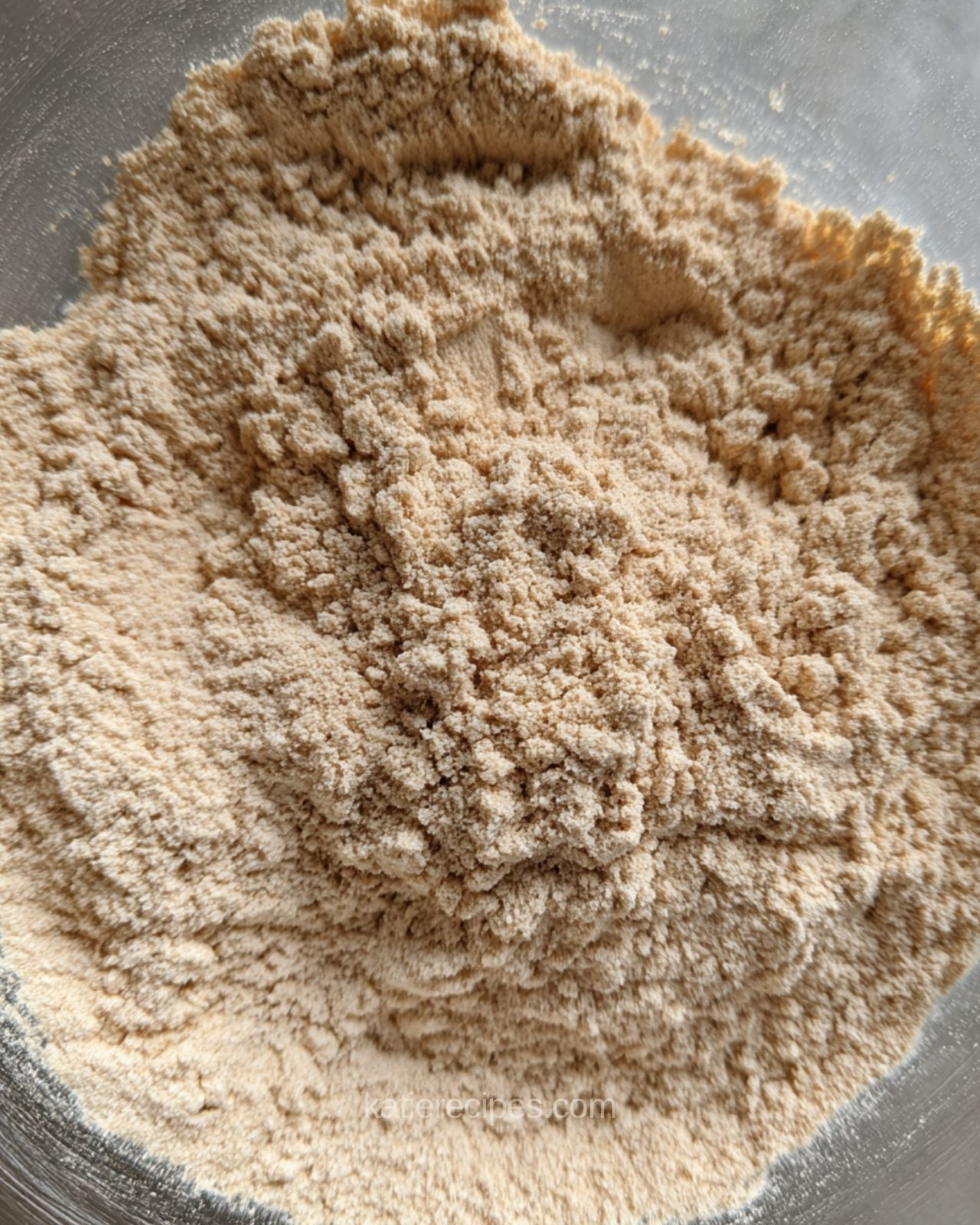
In a medium bowl, whisk together the flour, baking soda, salt, ginger, cinnamon, cloves, allspice and pepper until evenly combined. Whisk well so the baking soda is evenly spread through the flour, since clumps of it can make the cookies taste bitter in spots.
-
2
Cream the butter and sugars
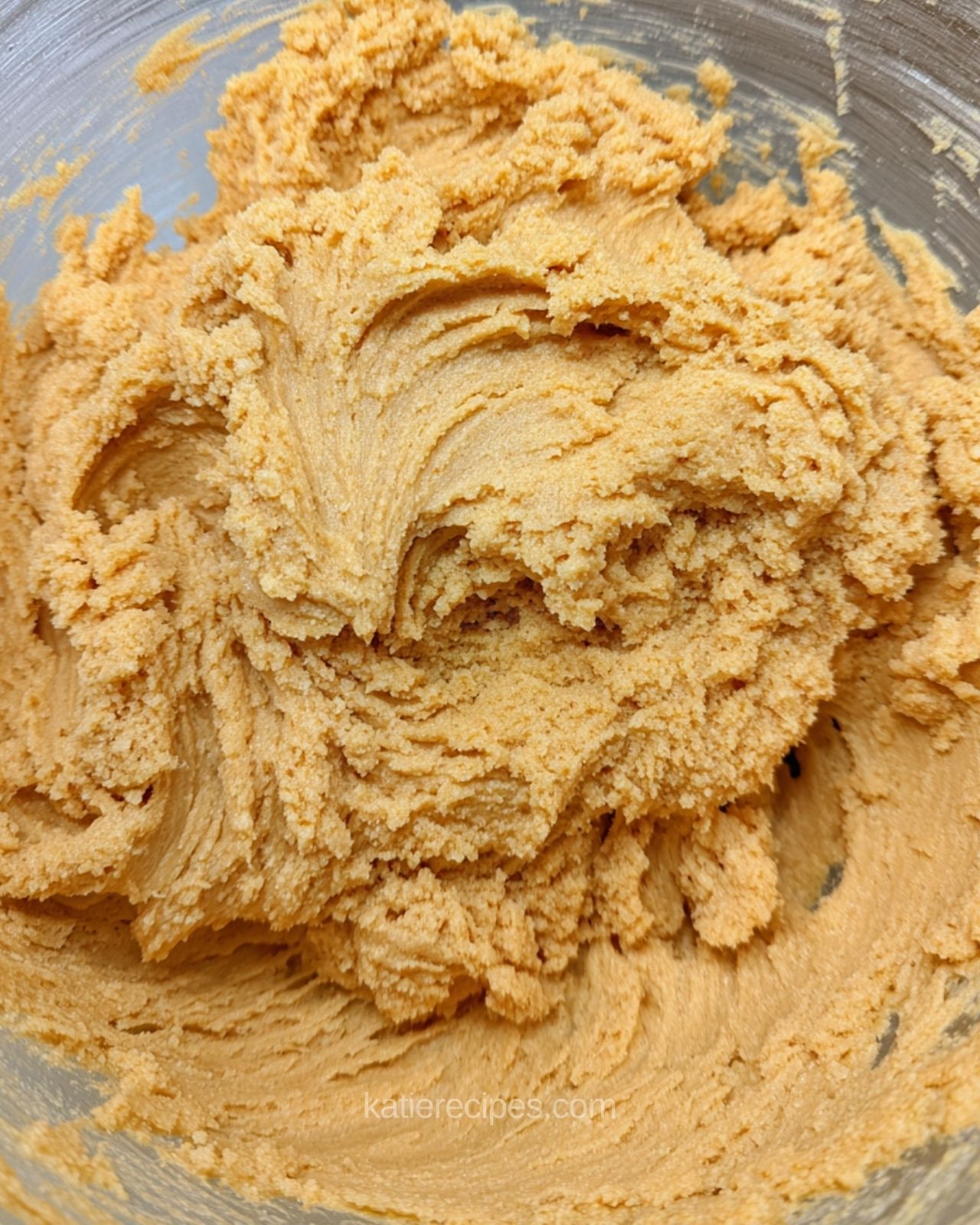
In a large bowl, beat the softened butter with the granulated sugar and dark brown sugar on medium speed for about 2 minutes, until light and fluffy.
-
3
Add the wet ingredients
Beat in the egg, then the molasses and vanilla, until smooth, scraping down the bowl as needed. It might look a little curdled at first. That is normal, and it comes together once the flour goes in.
-
4
Add the flour mixture
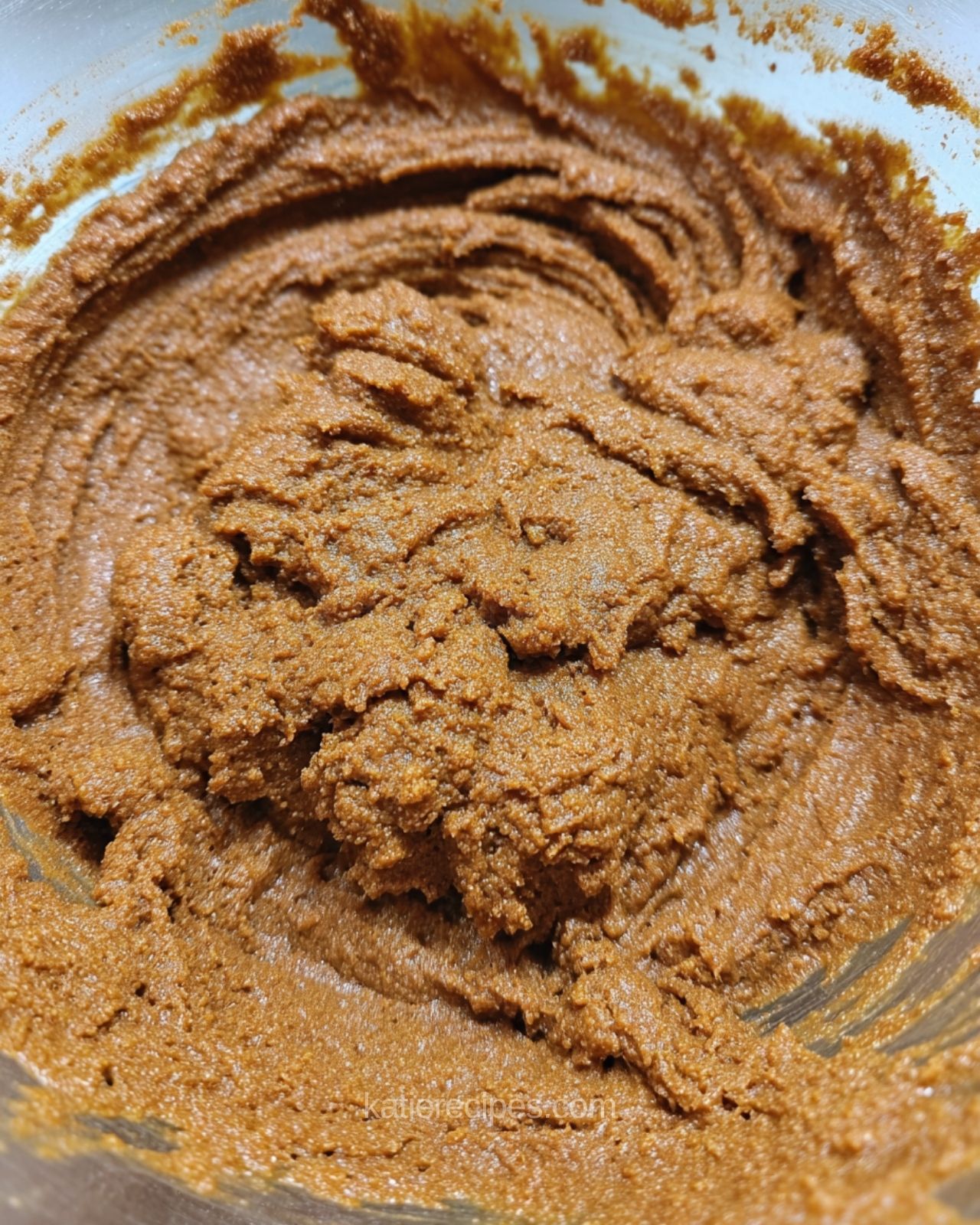
Add the flour mixture and mix on low speed just until no dry streaks remain. The dough will be soft and a bit sticky, and chilling firms it up.
-
5
Chill for 1 hour
Cover the bowl and refrigerate for 1 hour, which keeps the cookies from spreading too much and makes the dough easy to roll. You can chill it up to 24 hours. If it has been in the fridge overnight, let it sit on the counter for 15 to 20 minutes before rolling.
-
6
Preheat and roll
Preheat the oven to 350°F (175°C) and line baking sheets with parchment paper. Scoop the dough into 1 1/2-tablespoon portions (about 30 grams each), roll them into smooth balls, then roll each ball in the sugar until it is completely coated.
-
7
Space them out
Place the dough balls 2 1/2 to 3 inches apart, about 12 per standard half-sheet pan. They spread more than you would think, and crowded cookies bake into each other.
-
8
Bake one sheet at a time
Bake on the middle rack for 9 to 11 minutes, until the edges look set, the tops have started to crack and the centers still look puffy and a little underdone. They will sink and crack more as they cool. If you bake two sheets at once, rotate and swap them halfway through.
-
9
Cool
Let the cookies rest on the baking sheet for 3 to 5 minutes, just until they are firm enough to move, then slide them onto a wire rack to cool completely. Do not leave them on the hot pan any longer, or the bottoms keep baking and turn crunchy.
Tips & Substitutions
- Total time counts 15 minutes of prep, the 1 hour chill and about three batches of baking at roughly 10 minutes each.
- Texture at 350°F: bake 9 minutes for very soft and pillowy cookies, 10 to 11 minutes for chewy centers with slightly crisp edges, or 13 to 14 minutes for crisp, gingersnap-style cookies.
- Molasses: use unsulphured original or robust molasses. Blackstrap makes the cookies bitter. If it is all you have, use no more than a quarter of the molasses and fill the rest with a milder one. In a pinch, honey, golden syrup or dark corn syrup work, but the cookies will be paler.
- Flour: spoon and level, or weigh it. Too much flour is the most common cause of puffy cookies. If yours still dome, press each ball down gently to about 3/4 inch before baking.
- For crackly tops, use fresh baking soda (replace it if it has been open more than 6 months), roll the balls generously in sugar, and bake on the middle rack. Dough that is chilled but not ice-cold cracks best.
- Ginger molasses cookies: increase the ground ginger to 1 tablespoon, fold in 1/3 cup finely chopped crystallized ginger with the flour, and mix 1/2 teaspoon ground ginger into the rolling sugar.
- Freezing: freeze sugar-coated dough balls on a baking sheet until firm, then bag them for up to 3 months. Bake from frozen, adding 1 to 2 minutes. Baked cookies freeze for up to 3 months with parchment between layers.
- Storage: keep in an airtight container at room temperature for up to 5 days, with a slice of bread to keep them soft. Swap the bread out when it gets hard.
My “Crackly Tops” Mini Guide
- Use fresh baking soda. Old soda loses its lift, and no lift means no cracks. Replace it if it’s been open more than 6 months.
- Roll generously in sugar. It dries out the surface, so it cracks as the cookie puffs and falls.
- Chilled, but not ice-cold. Overnight dough needs a few minutes on the counter first.
- Middle rack, 350°F. Too low in the oven and the tops don’t set fast enough to crack.
- Spoon the flour. Too much is the most common cause of puffy cookies. If yours still dome, press each ball down gently to about 3/4 inch.
- Soft butter, full chill. Melty butter or a short chill makes cookies spread flat.
Helpful Tips
Which Molasses Should You Use?
A lot of recipes give conflicting advice, so here’s the simple version:
- Light, mild or “original” (like Grandma’s Original): sweet and mellow. A great choice.
- Dark or “robust”: deeper, stronger and darker. My favorite for bold flavor.
- Blackstrap: very strong and bitter. If it’s all you have, use no more than a quarter of the molasses and fill the rest with a milder one.
- Sulphured: can taste slightly chemical, so choose unsulphured.
Out of molasses? Honey, golden syrup or dark corn syrup will work in a pinch. The cookies will be paler and won’t have that classic deep flavor.
Soft, Chewy or Crispy
The same dough gives three cookies at 350°F. At 9 minutes they’re very soft and pillowy. At 10 to 11 minutes they have chewy centers and slightly crisp edges, which is my favorite. At 13 to 14 minutes they’re crisp all the way through, like a gingersnap.
Ginger Molasses Cookies
For more bite, increase the ground ginger to 1 tablespoon, fold in 1/3 cup finely chopped crystallized ginger with the flour, and mix 1/2 teaspoon ground ginger into the rolling sugar. They come out chewy, warm and noticeably gingery.
More Easy Variations
- Glazed: whisk 1 cup powdered sugar with 1 1/2 to 2 tablespoons milk and a drop of vanilla, and drizzle over cooled cookies.
- Sandwich cookies: spread cream cheese frosting between two.
- Orange spice: add 1 teaspoon orange zest to the butter and sugar.
- White chocolate dipped: dip half of each cooled cookie in melted white chocolate.
- Butter and shortening: swap half the butter for shortening for thicker, puffier, more cake-like cookies.
- Gluten-free: use a cup-for-cup blend that already has xanthan gum, swapped in by weight, and chill the full hour.
- High altitude (above about 3,500 feet): try 1 teaspoon of baking soda, 2 extra tablespoons of flour and 365°F, and start checking at 8 minutes.
How to Store and Freeze Molasses Cookies
Keep the cookies in an airtight container at room temperature for up to 5 days, with a slice of bread tucked in. The cookies pull moisture from the bread and stay soft, so swap it out when it gets hard.
To freeze the dough, roll the balls in sugar, freeze them on a baking sheet until firm, then move them to a freezer bag for up to 3 months. Bake straight from frozen, adding 1 to 2 minutes. They spread a little less and come out extra thick and chewy. Baked cookies freeze for up to 3 months in an airtight container with parchment between layers. Thaw at room temperature.
Frequently Asked Questions
Why didn’t my molasses cookies crack on top?
Usually old baking soda, dough that’s too cold, not enough sugar coating, or the bottom rack. See the Mini Guide above.
Why did my cookies spread so flat?
The butter was too soft, the dough wasn’t chilled long enough, or there was too little flour. Chill the full hour.
Why do my molasses cookies taste bitter?
Too much baking soda, clumps of it that weren’t whisked in, or blackstrap molasses.
Should I use 350°F or 375°F?
350°F. A hotter oven sets the outside before the middle finishes rising, so you lose some of the chewy center.
Do I have to chill the dough?
Yes, for at least 1 hour. In a hurry? Roll the dough balls and pop them in the freezer for 20 to 30 minutes instead.
How do molasses cookies differ from gingersnaps and gingerbread?
Molasses cookies are soft and chewy with molasses as the star. Gingersnaps are thinner, crisp and more ginger-forward. Gingerbread is a stiff dough that’s rolled and cut, then usually iced.
Final Thoughts
Molasses cookies are the ones I make when the weather turns, and the kitchen smells like the holidays for an hour. Fresh baking soda, a generous roll in sugar and a pan with room to spread will get you the crackly tops.
A plain cookie, and a good one.