A Simple Spaghetti Dinner That Still Works
Spaghetti is a dish so well-known by nearly every individual; many of us don’t give it much thought, even though we may have eaten it dozens of times. It’s simply a good meal to eat when you want to enjoy something old and comfortable; and that is exactly what you’ll get from this spaghetti dinner recipe.
When you are tired, you want to follow a complicated recipe. When you want to avoid trying something new; this is your spaghetti. This is a great choice for an easy, no fuss spaghetti dinner that you can count on turning out right.
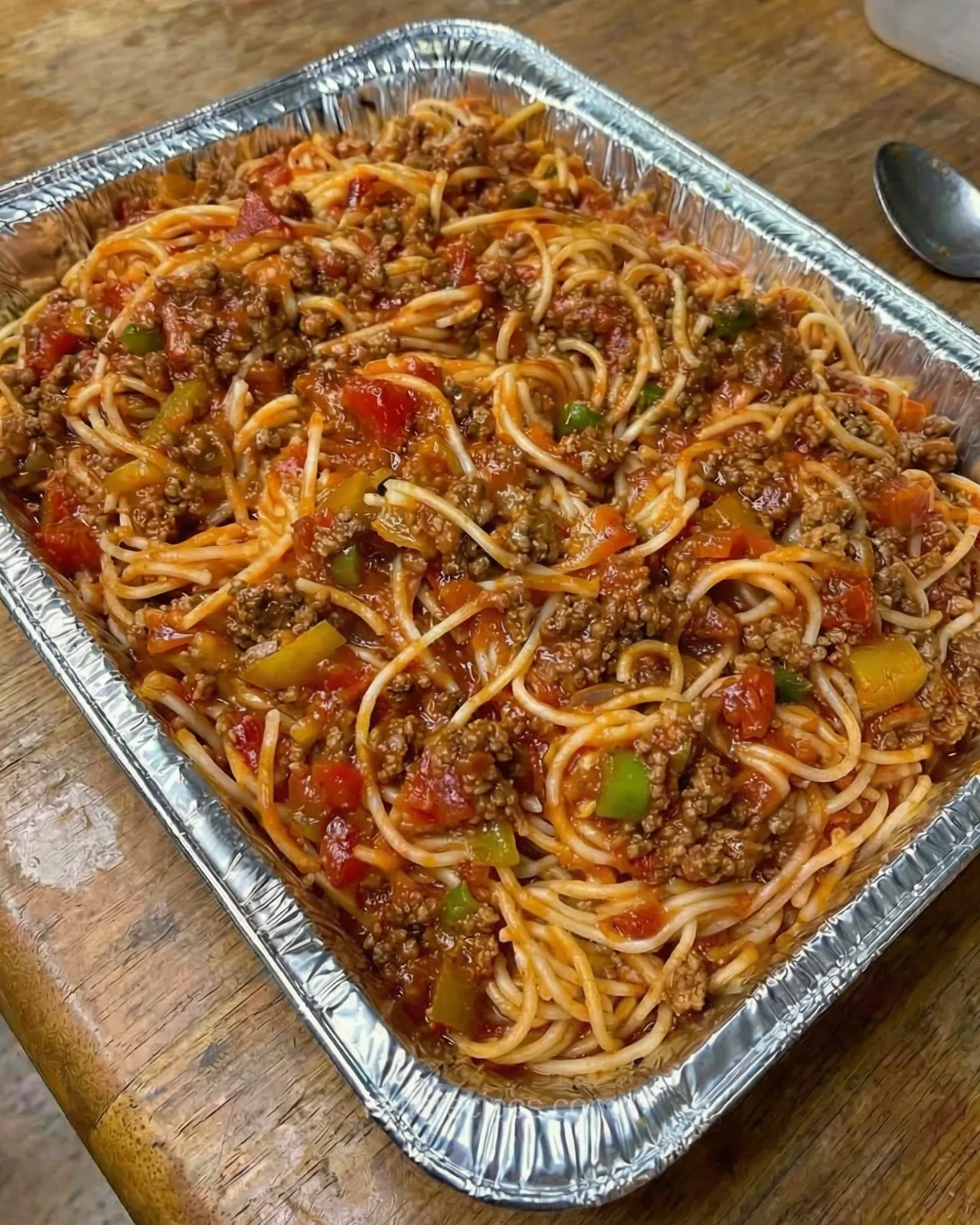
The ground beef used in this spaghetti recipe is similar to the way most people ate their spaghetti growing up. The ingredients include ground beef cooked in a pan, onions and green peppers mixed into the ground beef, garlic added for extra flavor, and a tomato-based sauce that simmered down until all the flavors were combined. The sauce was neither too thick nor too spicy. It was simple, yet flavorful.
There is a reason why this style of spaghetti continues to come back time after time. The reason is that it does not attempt to be anything different than what you know and love. It doesn’t rely on perfect timing or special ingredients. Simply cook it, then serve it, and most likely everyone at the table will eat it quietly and politely. For that alone, it is definitely worth making again and again.
Why People Keep Making This Kind of Spaghetti
A lot of recipes come and go. They’re popular for a while, then people move on. Old-fashioned spaghetti doesn’t really do that. It just stays in the background, waiting for the right night to show up again.
One reason is that it’s easy to understand. You don’t need to read the recipe five times before starting. You already know how most of it works. Brown the beef. Add the vegetables. Add the tomatoes. Let it simmer. Cook the pasta. Mix it together.
Another reason is that it fits a lot of situations. It works for a regular weeknight dinner. It works when you’re feeding more than a few people. It even works as leftovers, which isn’t something every pasta dish can say. A lot of people actually think spaghetti tastes better the next day, once everything has had time to sit together.
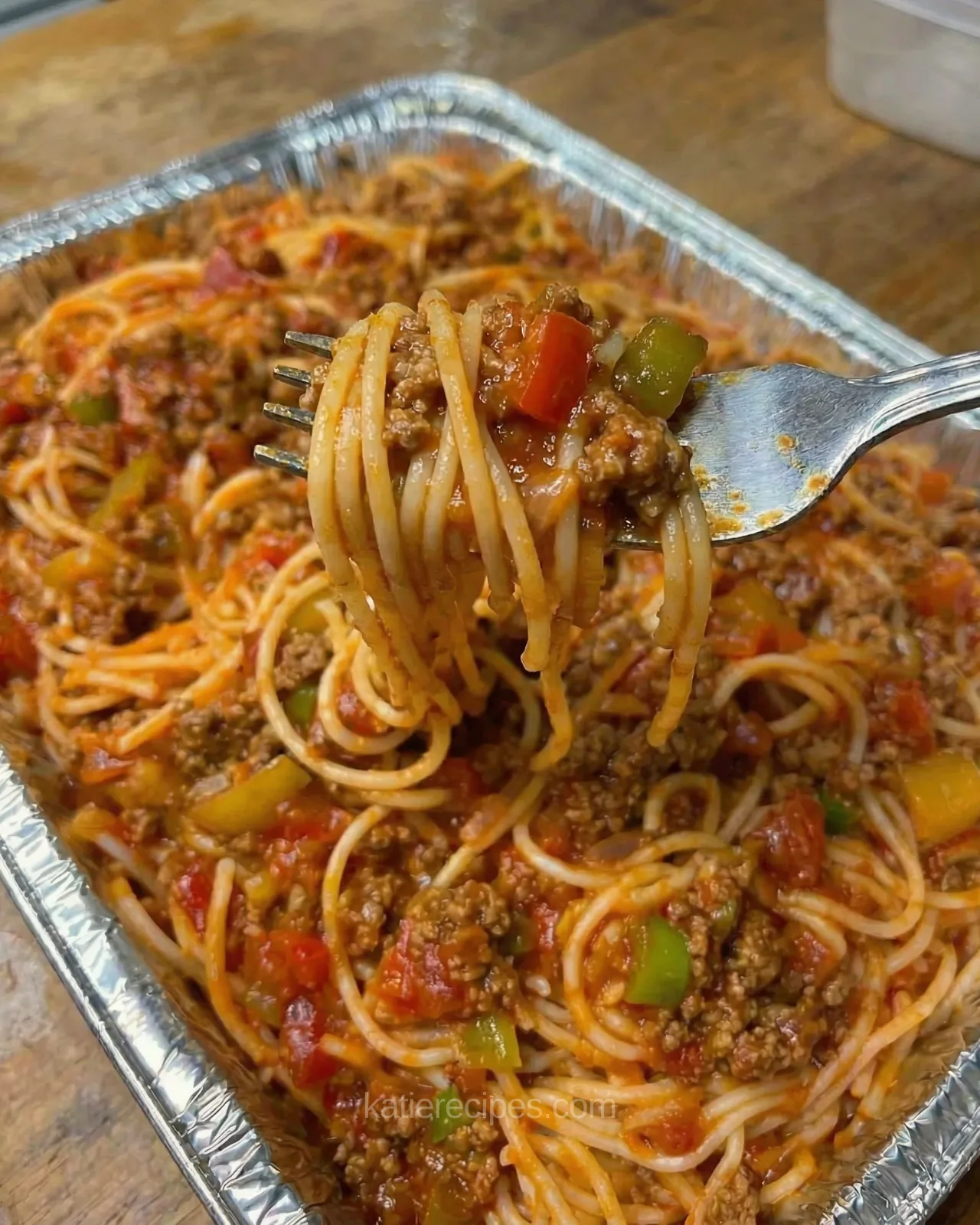
The sauce is also a big part of why this recipe sticks around. It’s not sharp, and it’s not watery. The beef adds depth, the vegetables soften, and the tomatoes calm down as they cook. Nothing is overpowering. Everything settles into a flavor that most people are comfortable with.
And honestly, familiarity matters. A lot of people grew up eating spaghetti like this. It tastes like home to them, or at least like something close to it. That kind of connection makes people come back to a recipe even if they don’t think about why.
What Actually Goes Into the Sauce
This spaghetti doesn’t rely on a long list of ingredients, and it doesn’t need one. Everything in the sauce has a purpose, even if it doesn’t stand out on its own.
- The ground beef is the base. Once it’s cooked and broken apart, it gives the sauce its main texture and makes the dish filling enough to be a full meal. It’s not about using a special cut of meat. It’s just ground beef doing what it does best.
- The onion and green bell pepper go in early and cook down with the beef. At first, you notice them. Later, not so much. They soften, lose their sharpness, and blend into the sauce. You don’t really taste them separately, but you’d notice if they weren’t there.
- Garlic is added around the same time. It doesn’t need long. Just enough heat to release its smell and flavor before the tomatoes take over. Too much time and it burns, too little and it doesn’t do much. This is one of those steps that doesn’t need precision, just attention.
- The tomatoes make up most of the sauce. Crushed tomatoes keep everything loose and easy to stir, while tomato paste thickens things slightly and adds a deeper tomato flavor. The small amount of water helps everything simmer without sticking or drying out too quickly.
- Seasoning is kept basic. Oregano and basil give the sauce that familiar spaghetti taste people expect. A bit of sugar helps balance the acidity from the tomatoes. You don’t really taste the sugar, but you notice the difference when it’s missing. Salt and black pepper bring everything together.
- The spaghetti itself is cooked separately in salted water. That part doesn’t change much from one kitchen to another. Once it’s mixed with the sauce, though, it starts absorbing flavor, which is what makes the dish feel finished instead of just thrown together.
- Parmesan cheese and parsley at the end aren’t required, but they’re common. They add a little saltiness and freshness that works well with the sauce, especially if you’re serving it right away.
How It All Comes Together Without Much Thinking
The cooking process doesn’t feel complicated, and that’s part of the appeal.
You start with the beef in a large pan and let it cook until it’s browned. You break it apart as it cooks, and once it’s done, you drain off the extra grease. There’s no need to rush this step. Letting the beef brown properly gives the sauce more flavor later.
After that, the onion, green pepper, and garlic go into the pan. They only need a few minutes. You’re not trying to brown them heavily. You just want them softened and fragrant. At this point, the kitchen already smells like spaghetti, which is usually a good sign.
Next come the tomatoes, tomato paste, water, and seasonings. Everything goes in at once, and then the heat gets turned down. This is where patience matters more than technique. The sauce needs time to simmer, not constant stirring or attention. You check on it, stir now and then, and let it do what it’s supposed to do.
While the sauce simmers, the spaghetti cooks in a separate pot. Salted water, boiling, nothing special. Once it’s done, it gets drained and mixed into the sauce while everything is still hot. Mixing it together instead of serving it separately helps the pasta soak up some of the sauce, which makes a difference in the final taste.
By the time everything is combined, the sauce isn’t sharp or thin. It’s smooth, steady, and familiar. It looks like spaghetti is supposed to look, and it tastes like most people expect it to taste.
Small Things That Help It Turn Out Better
This spaghetti doesn’t need much help, but a few small habits can make it better without making it harder.
Letting the beef brown fully is one of the biggest ones. If you rush that step, the sauce can taste flat later. Taking a few extra minutes at the beginning usually pays off.
Cutting the vegetables fairly small also helps. Large pieces stay noticeable, while smaller ones soften and blend in. Most people prefer the vegetables to disappear into the sauce rather than stand out.
Giving the sauce enough time to simmer makes a difference too. Even five or ten extra minutes can mellow the tomatoes and smooth out the flavor. You don’t need hours, just a little patience.
Tasting near the end is another small thing that helps. Tomatoes can vary from can to can. Sometimes the sauce needs a bit more salt, sometimes not. Adjusting at the end keeps everything balanced.
Questions People Usually Ask About This Recipe
Can I let the sauce cook longer?
Yes. As long as it’s on low heat and stirred once in a while, longer simmering usually helps.
Does this work with other pasta shapes?
Yes. Spaghetti is traditional, but other pasta works fine.
Is the sugar necessary?
Not really, but it helps balance the tomatoes.
Can I make the sauce ahead of time?
Yes. It often tastes better after sitting.
Do I have to mix the pasta and sauce together?
No, but most people prefer it that way.
A Simple Spaghetti That Doesn’t Try Too Hard
This is the kind of spaghetti people keep making because it fits into normal life. It doesn’t take much effort, and it doesn’t require special ingredients. You cook the beef, let the sauce simmer, boil the pasta, and mix it together.
It’s filling without being heavy, familiar without being boring, and flexible enough to adjust without falling apart. Old-fashioned spaghetti doesn’t need to be upgraded or reinvented. It just needs time to cook and a plate to land on.
Print
Old-Fashioned Spaghetti
- Total Time: 40 minutes
- Yield: 4–6 servings 1x
Description
A classic old-fashioned spaghetti dish with a rich, hearty meat sauce that’s flavorful, comforting, and perfect for any night of the week.
Ingredients
- 1 lb ground beef
- 1 small onion, diced
- 1/2 cup green bell peppers, diced
- 3 cloves garlic, minced
- 1 can (28 oz) crushed tomatoes
- 1 small can (6 oz) tomato paste
- 1 tsp dried oregano
- 1 tsp dried basil
- 1 tsp sugar
- 1/2 tsp salt
- 1/4 tsp black pepper
- 1/4 cup water
- 12 oz spaghetti
- Salt for boiling water
- Grated Parmesan cheese
- Chopped fresh parsley (optional)
Instructions
- Cook the ground beef in a skillet over medium heat until browned, breaking it apart as it cooks. Drain excess grease.
- Add diced onion, green bell peppers, and minced garlic. Sauté 3–4 minutes until softened.
- Stir in crushed tomatoes, tomato paste, water, oregano, basil, sugar, salt, and pepper. Reduce heat and simmer 20–25 minutes, stirring occasionally.
- Bring a large pot of salted water to a boil. Cook spaghetti according to package instructions until al dente. Drain.
- Toss the cooked spaghetti with the meat sauce until fully coated. Serve topped with Parmesan cheese and parsley if desired.
Notes
This classic spaghetti is simple, hearty, and perfect for weeknight dinners. Add red pepper flakes for extra heat if desired.
- Prep Time: 10 minutes
- Cook Time: 30 minutes
- Category: Dinner
- Method: Stovetop
- Cuisine: Italian-American
Nutrition
- Serving Size: 1 plate
- Calories: 520
- Sugar: 9g
- Sodium: 730mg
- Fat: 18g
- Saturated Fat: 6g
- Unsaturated Fat: 10g
- Trans Fat: 0g
- Carbohydrates: 62g
- Fiber: 5g
- Protein: 28g
- Cholesterol: 55mg
Keywords: spaghetti, old-fashioned spaghetti, meat sauce, pasta, easy dinner