Zucchini bread has always been a simple, reliable kind of quick bread, and making it gluten free doesn’t change the idea behind it. The goal stays the same: a loaf that holds together, stays moist, and doesn’t taste like a compromise. The difference is in how the ingredients behave without gluten. Once you understand what each part of the recipe is doing, gluten free zucchini bread becomes predictable instead of hit-or-miss. That’s the purpose of this guide: not to sound like a food blog, not to sell you on anything, but to explain what matters and what doesn’t, so the result is consistent.
Table of Contents
Why Zucchini Works So Well in Gluten Free Baking
Zucchini doesn’t add much flavor on its own, which is why it blends into baked goods. Its real job here is moisture. Gluten free flours don’t absorb and hold liquid the way wheat flour does, so breads can easily turn out dry, starchy, or crumbly. Zucchini helps prevent that because it adds moisture without heaviness. That’s also why draining it matters. Too much liquid leads to a wet or gummy center, not enough liquid leads to a dry and crumbly loaf. Controlling that moisture level is more useful than obsessing over brand names or fancy flours.
Some people assume zucchini bread tastes like vegetables. It doesn’t. Once grated, drained, and baked with spices, the taste disappears. What’s left is texture and subtle sweetness. The amount of zucchini isn’t random either. Too little and the bread dries out. Too much and the structure collapses. A standard ratio is one and a half cups of shredded zucchini to one loaf. You can adjust slightly, but not dramatically, unless you also adjust your dry ingredients.
How Gluten Normally Works and What Happens When It’s Gone
Gluten is a protein network. When wheat flour and liquid mix, gluten forms long elastic strands that trap air from leavening agents. That’s what makes traditional breads rise, stretch, and stay intact. When you take gluten out, the structure has to come from somewhere else. This is why gluten free recipes often combine flours and binders. No single ingredient acts like gluten, but two or three ingredients can work together to replace its functions.
A good gluten free zucchini bread does not rely on one type of flour. Almond flour is moist, but too soft on its own. Rice flour is neutral, but can feel gritty. Oat flour creates structure, but too much makes the loaf dense. Coconut flour absorbs a lot of liquid, but dries the loaf if used alone. This is why blends exist. The point of a blend isn’t trendiness; it’s balance. If your blend already contains starches like tapioca or potato, and a binder like xanthan gum, you’re already halfway to a good texture.
What Binders Actually Do
Binders don’t add flavor. They keep the loaf from falling apart. Xanthan gum is the most common and usually the simplest to use. Psyllium husk is another option and creates a slightly chewier structure. Ground flaxseed can work too, especially if the recipe needs eggs replaced. What matters is not the name of the binder but whether the recipe contains one. If your flour blend already includes xanthan gum, do not add more. Too much binder can make the bread rubbery.
Sweeteners and Fat Choices
Zucchini bread usually isn’t heavily sweet. That’s because it isn’t meant to be a cake, and the moisture from the zucchini and oil already creates a soft texture. You can use regular sugar, brown sugar, honey, or maple syrup. The type of sweetener slightly affects the texture. Liquid sweeteners add more moisture, so if you use them, the batter may need a touch more flour. Solid sugars hold structure better, but the flavor is less complex. If you want a stronger flavor, brown sugar or coconut sugar works better than white sugar.
As for fat, most gluten free loaves use oil instead of butter, simply because oil creates a softer crumb. Coconut oil, avocado oil, light olive oil, or vegetable oil all work. Butter adds flavor, but also firms up the texture when cooled, so the loaf may feel denser the next day. None of these choices are “right” or “wrong.” They simply change the result slightly.
Step-By-Step Process With Reasoning
- Grate the zucchini. Use the coarse side of a grater. Fine shreds release too much water.
- Squeeze out the liquid. A clean towel or cheesecloth works. You don’t have to remove every drop, just most of it.
- Mix the dry ingredients in one bowl. This prevents clumps and ensures the leavening agents are evenly distributed.
- Whisk wet ingredients in a separate bowl. Eggs, oil, sweetener, and vanilla should be well combined before the dry ingredients are added.
- Combine gently. Overmixing breaks down structure in gluten free batters. Mix until just blended, even if a few streaks remain.
- Fold in the zucchini last. This keeps the batter from becoming watery too early.
- Bake at 350°F (175°C) until a toothpick comes out clean. The loaf will continue to set as it cools.
- Let the loaf cool completely before slicing. Cutting too early makes crumbly or collapsed slices — this is a common gluten free issue.
The reason this process works is simple: you delay introducing moisture into the flour until the last possible moment, and you don’t overwork the batter. Gluten free baking rewards caution instead of force.
Troubleshooting and Why Problems Happen
- Loaf sinks in the middle – too much moisture or underbaking.
- Gummy texture – zucchini not drained, or flour blend too starchy.
- Dry and crumbly loaf – not enough fat, not enough zucchini, or flour too absorbent.
- Bitter aftertaste – old baking powder or too much baking soda.
- Falls apart when sliced – no binder or sliced before fully cooled.
Most issues are moisture related, not ingredient-brand related. Fix the balance first before replacing every ingredient.
Ingredient Substitutions That Work and Don’t Work
- You can swap zucchini for carrots or yellow squash, but carrot makes the loaf slightly sweeter.
- You can replace eggs with flax eggs, but the loaf will be denser.
- You can replace oil with applesauce, but the bread may dry out faster.
- You can reduce sugar, but not remove it completely unless you want a savory bread.
- You can use only almond flour, but the loaf will not rise much and will be fragile.
- You cannot swap coconut flour 1:1 with any other flour because it absorbs too much liquid.
Flavor and Texture Variations
- Chocolate chips add sweetness and act like moisture pockets when warm.
- Nuts add contrast and bulk, but also make the loaf heavier.
- Raisins or cranberries work, but need slightly less sweetener in the batter.
- Spices like cinnamon, nutmeg, or pumpkin spice make the bread taste more like fall loaf than plain zucchini bread.
- Savory versions remove most sweetener and add cheese and herbs.
These are all optional changes. The structure of the loaf stays the same as long as you don’t increase moisture or reduce binder.
Storage and Freezing in Detail
At room temperature, the bread lasts two to three days in an airtight container. In the fridge, about a week. The fridge slightly firms the loaf, so letting it come to room temperature or briefly warming it in a toaster oven brings back the softness.
Freezing works best when the loaf is sliced first. Separating the slices with parchment prevents them from sticking together. Frozen gluten free loaves keep their quality for about three months. Beyond that, the texture begins to dry out even if still edible.

FAQ
Can I bake this in muffin form instead of loaf form?
Yes. Reduce the baking time to about 18–22 minutes.
Can I add cocoa powder for chocolate zucchini bread?
Yes, but reduce flour slightly because cocoa powder absorbs liquid.
What if I don’t have xanthan gum?
Use psyllium husk or flaxseed, but the loaf will feel slightly different.
Can I reduce oil?
Yes, but the loaf will dry faster and won’t stay soft when stored.
Why is my batter thicker or thinner than expected?
Zucchini moisture varies. Adjust with a tablespoon of liquid or flour at a time instead of rewriting the whole recipe.
Can I use pre-shredded frozen zucchini?
Yes, but thaw and drain it thoroughly because frozen zucchini holds even more water.
Final Summary
Gluten free zucchini bread is not difficult, but it is more dependent on balance than traditional baking. Once you understand what the flour blend, binder, zucchini, and fat are doing, the recipe becomes flexible instead of fragile. The most important steps are draining the zucchini, not overmixing, using a blend of flours instead of one, and letting the bread cool before cutting. If those parts stay consistent, the rest of the ingredients can be adjusted for taste or dietary needs without ruining the loaf.
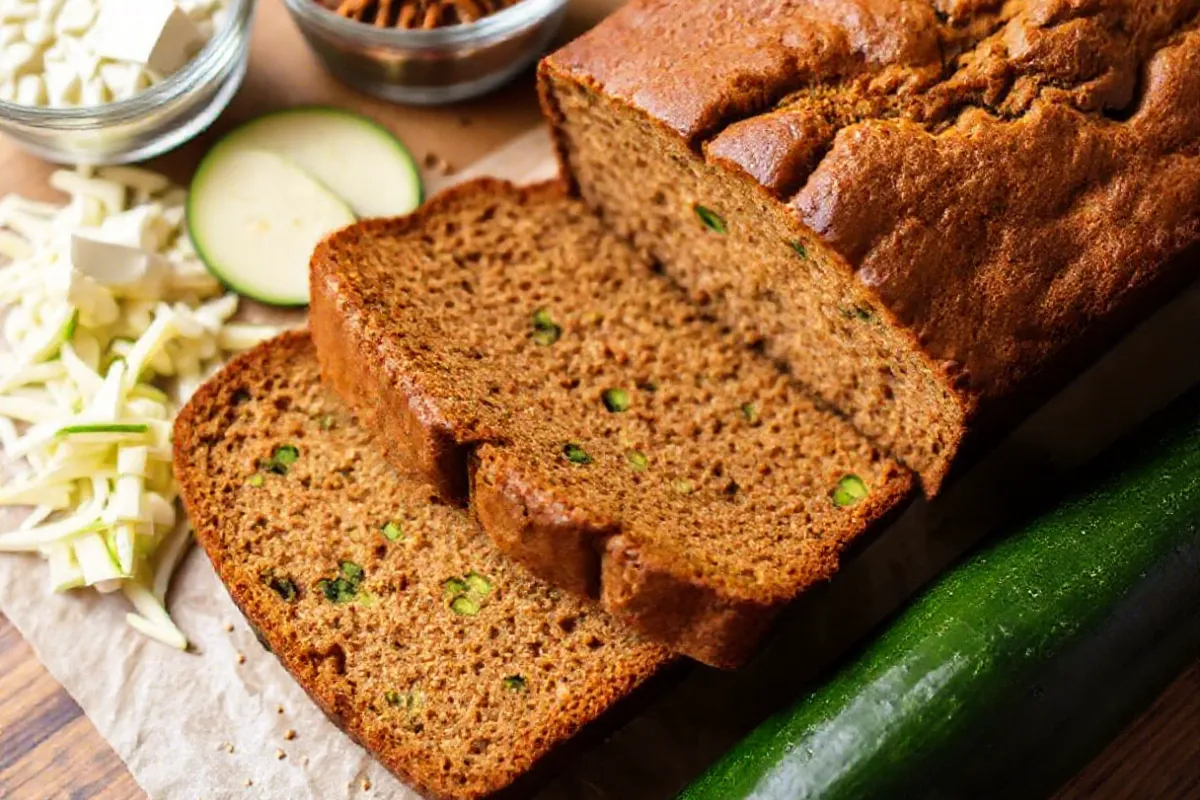
Gluten-Free Zucchini Bread
Ingredients
Method
- Preheat oven to 350°F (175°C). Grease a loaf pan or line with parchment.
- Grate zucchini using coarse side of grater and squeeze out excess moisture.
- In a bowl, whisk together flour, baking soda, baking powder, salt, cinnamon, and nutmeg.
- In another bowl, beat eggs, oil, brown sugar, and vanilla until smooth.
- Gently combine dry ingredients into wet mixture until just blended.
- Fold in zucchini without overmixing.
- Pour batter into prepared pan and smooth the top.
- Bake 45–55 minutes, or until a toothpick comes out clean.
- Let loaf cool in pan for 10 minutes, then transfer to wire rack to cool completely before slicing.