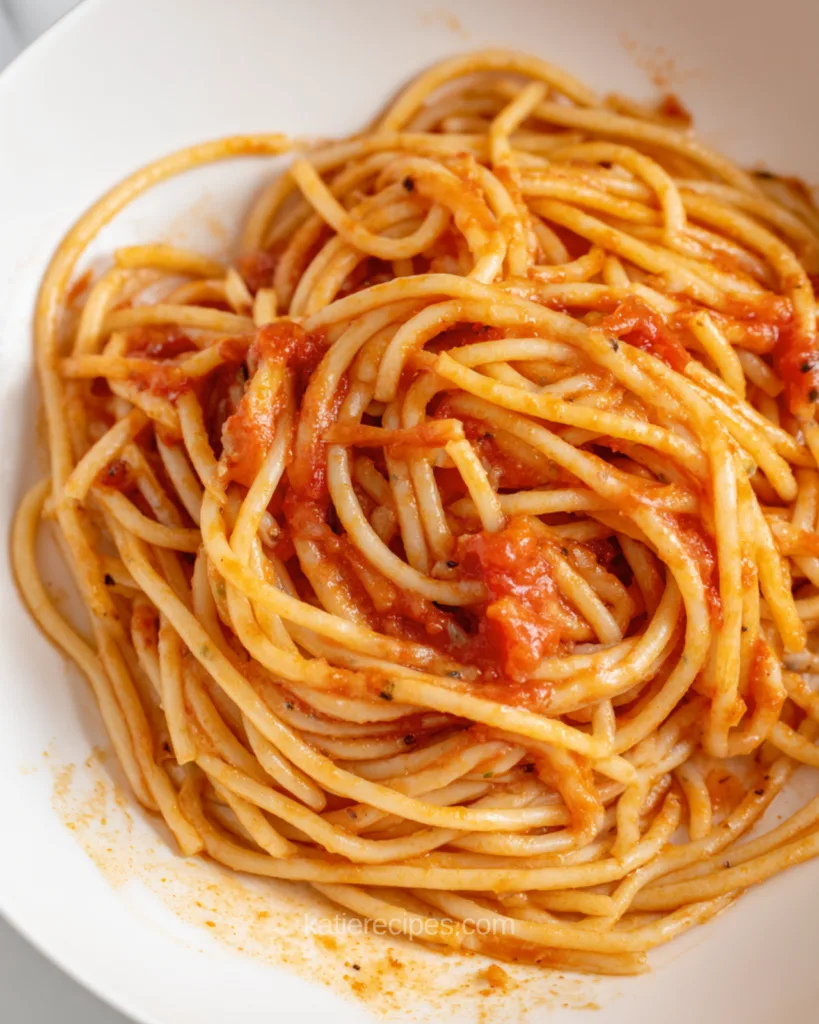
Gluten-free spaghetti used to stress me out more than it should have.
Because regular spaghetti is basically foolproof. You boil it, you stir it a little, you drain it, and it’s fine. Gluten-free spaghetti… is not always like that. It can go from “still a little firm” to “soft and broken” in what feels like twelve seconds. And the first few times I made it, I kept thinking I did something wrong, when really… it’s just different pasta.
If you’re eating gluten-free because of celiac, gluten sensitivity, or just because you feel better without it, you probably already know the emotional rollercoaster of trying a new pasta brand and hoping it doesn’t taste like sadness. Some gluten-free spaghetti is genuinely great. Some is… not. And even the good ones need slightly different handling.
So this is my version of a gluten-free spaghetti guide that actually feels useful. Not a lecture. More like what I’d tell a friend if they texted me like, “Why does my gluten-free spaghetti always turn gummy?”
Because I’ve been there.
Table of Contents
Why You’ll Love This Recipe
I know this isn’t one single recipe like a casserole or soup. It’s more like a “here’s how to make gluten-free spaghetti work every time” situation. But it still matters, because when you nail the pasta, everything you put on it tastes better.
Here’s what you’ll get out of this:
- Gluten-free spaghetti that’s tender but not mushy
- Less sticking and clumping (which is half the battle)
- A method that works across most brands
- Easy ways to make it taste like a real dinner, not a compromise
- A few “I learned this the hard way” tips that save you time
Also… gluten-free spaghetti can be really good. Not “good for gluten-free.” Just good. You just have to cook it like it’s its own thing and not pretend it’s the same as wheat pasta.
Ingredients You’ll Need
This is going to look almost silly because it’s pasta. But the small details matter more here than they do with regular spaghetti.
Gluten-free spaghetti (8–12 oz, depending on how many people you’re feeding) – Rice-based, corn-based, quinoa, chickpea… they all work a little differently, but the method below helps with all of them.
Water (a big pot’s worth) – Gluten-free spaghetti needs space. Crowding makes it stick.
Salt (for the pasta water) – The pasta needs flavor. Especially gluten-free pasta, which can taste a little flat if you skip this.
Olive oil (optional) – Not everyone uses oil in pasta water, but a tiny drizzle after draining can help prevent sticking if you’re not saucing immediately.
Your sauce or toppings – Marinara, meat sauce, butter and Parmesan, pesto, roasted vegetables… whatever makes you excited to eat it.
(And yes, I’m listing “sauce” as an ingredient because it matters. Pasta without sauce is just… noodles.)
How to Make This Recipe
I start with a large pot. Bigger than you think you need. Gluten-free spaghetti likes room.
Fill it with plenty of water and bring it to a full boil. Not a gentle simmer. A real boil. Add a generous amount of salt. Not a timid pinch. I want the water to actually taste seasoned.
Once it’s boiling, add the gluten-free spaghetti and immediately stir. Like right away. This is the first sticky moment. Gluten-free pasta can clump quickly in the first minute.
Then I keep stirring more than I would with regular pasta. Not constantly, but often. Especially during the first 2–3 minutes.
Now here’s the real key: start checking early. If the box says 10 minutes, I check at 8. If it says 12, I check at 10. Gluten-free spaghetti can go from perfect to too soft fast, and it’s easier to cook it a little longer than it is to undo mush.
When it feels al dente (tender but still with a little bite), drain it immediately. Don’t let it sit in hot water “for a second.” That second matters.
Some people rinse gluten-free pasta. I get why. It can help remove extra starch and reduce sticking. But it can also cool the pasta down and make sauce cling less. So here’s what I do:
- If I’m serving right away with sauce, I usually don’t rinse.
- If I’m making it ahead, or if the pasta is very starchy and sticky, I’ll do a quick rinse with warm water, then toss it right into sauce.
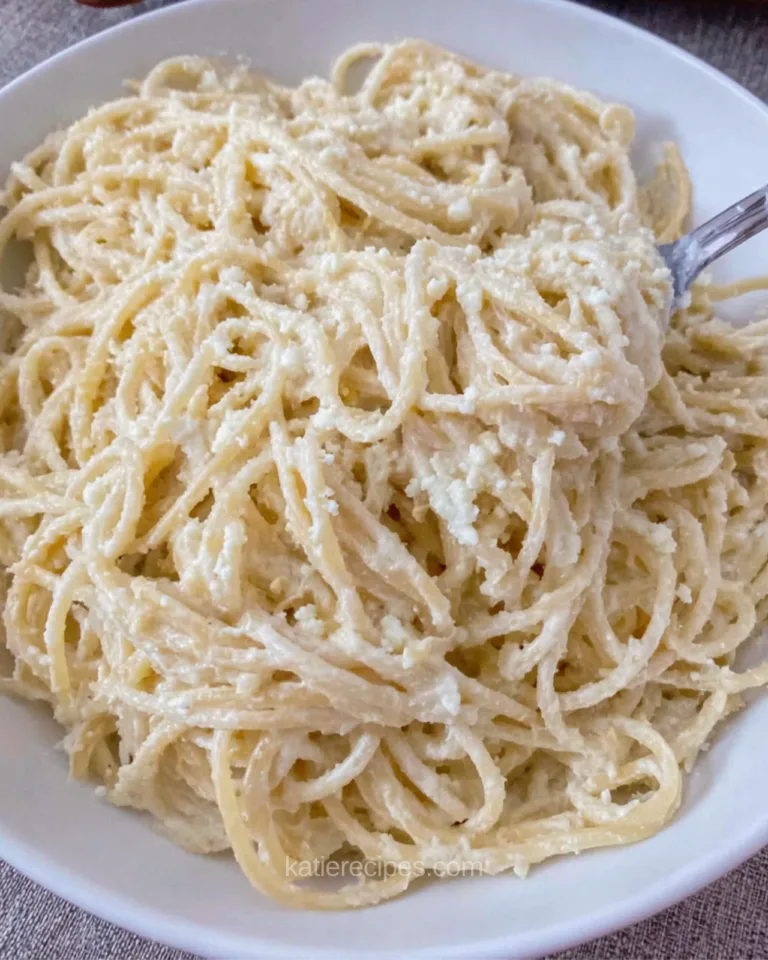
Then the biggest thing: sauce it quickly. Gluten-free spaghetti dries out and sticks together if it just sits there plain. I either toss it straight into warm sauce or drizzle a tiny bit of olive oil and stir until I’m ready.
That’s it. That’s the method.
It’s not hard, it just needs attention at the right moments.
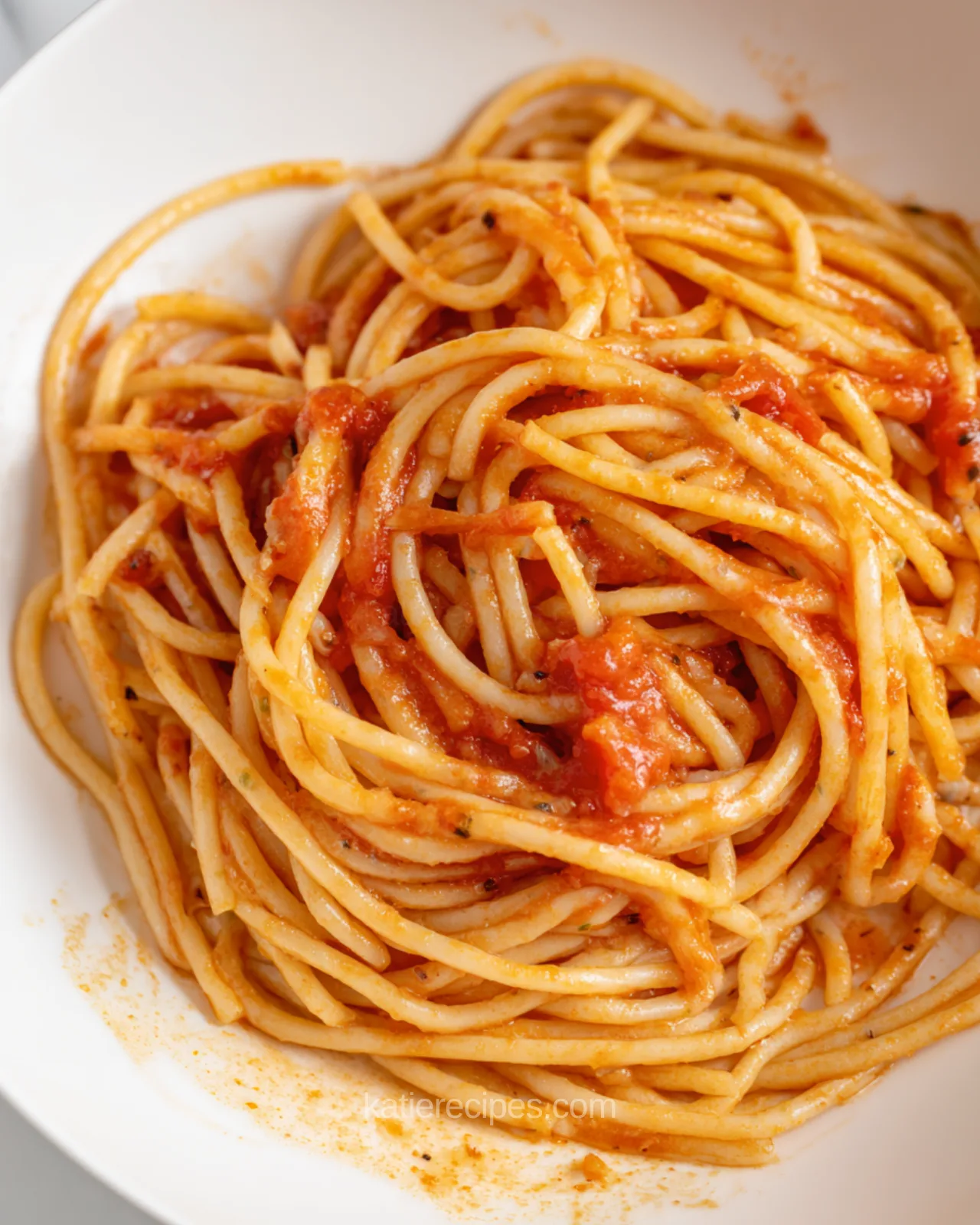
Gluten-Free Spaghetti
Ingredients
Equipment
Method
- Fill a large pot with plenty of water and bring it to a full boil. Add the salt once the water is boiling.
- Add the gluten-free spaghetti and stir immediately to help prevent clumping.
- Cook the pasta according to the package directions, stirring often during the first 2 to 3 minutes.
- Start checking the spaghetti about 2 minutes earlier than the package suggests and cook just until al dente.
- Drain the pasta immediately in a colander. If you are not serving it right away, toss it with the olive oil to help prevent sticking.
- Toss the hot spaghetti with the warmed marinara sauce and serve right away.
Notes
My “Don’t-Get-Gummy” Mini Guide
Gluten-free spaghetti has a few predictable ways it can go wrong. Here’s how I avoid them:
- Use a big pot and lots of water. Crowded pasta = sticky pasta.
- Stir early and often (especially in the first 2–3 minutes). That’s when clumps form.
- Start testing early. Gluten-free spaghetti overcooks fast. Don’t trust the box blindly.
- Drain immediately. Don’t let it “hang out” in the hot water.
- Sauce it fast. Plain gluten-free spaghetti sitting in a colander gets sticky and sad.
- If it does clump: splash a little warm water over it and toss, or toss it directly into warm sauce and gently separate with tongs.
This is basically the whole secret. It’s not fancy. It’s just timing.
Helpful Tips
The brand matters, and I don’t mean that in a snobby way. Some gluten-free spaghetti is just better. Rice and corn blends tend to taste the most “normal” to me, especially for classic spaghetti nights. Chickpea pasta is great too, but it tastes more like chickpeas (which can be good or not, depending on your mood).
If you’re making a big pot, don’t walk away. Gluten-free pasta needs more stirring than regular pasta. Put your phone down for a second. I say this lovingly.
If you’re planning leftovers, store the pasta with sauce if you can. Plain gluten-free spaghetti in the fridge can turn into a single solid spaghetti brick. Sauce helps prevent that.
Reheating tip that actually helps: splash a tiny bit of water into the bowl before microwaving. Or warm it on the stove with a spoonful of sauce. It loosens it back up.
Also: gluten-free spaghetti really benefits from strong flavors. Garlic, herbs, Parmesan, a good marinara… it helps it taste like a full meal instead of “diet pasta.”
Frequently Asked Questions
Is gluten-free spaghetti healthier than regular spaghetti?
It depends. Some gluten-free pastas (like chickpea or quinoa) have more protein and fiber than regular wheat pasta, which is nice. But it’s not automatically “health food.” The biggest benefit is that it works for people who can’t tolerate gluten.
Why does my gluten-free spaghetti fall apart?
Usually overcooking. Gluten-free pasta can go soft faster than wheat pasta. Start checking early and drain as soon as it’s tender.
Do I have to rinse gluten-free spaghetti?
Not always. Rinsing can help reduce sticking, but it can also make sauce cling less. If you’re serving immediately with sauce, I usually skip rinsing. If it’s extra sticky or you’re making it ahead, a quick rinse can help.
Can I use gluten-free spaghetti in any spaghetti recipe?
Yes. Just watch the cooking time and texture. Gluten-free spaghetti works with everything from marinara to carbonara to garlic and oil.
How should I store cooked gluten-free spaghetti?
In an airtight container in the fridge and ideally mixed with sauce. If it’s plain, add a small drizzle of oil and toss before storing.
Final Thoughts
Gluten-free spaghetti isn’t “hard,” but it is less forgiving. And once you accept that, it gets a lot easier.
The goal isn’t to cook it exactly like regular spaghetti and hope it behaves. The goal is to give it more water, stir it more, test it earlier, and sauce it quickly. That’s the whole thing.
And when you do that, gluten-free spaghetti becomes one of those normal, reliable dinners you can make without thinking too hard—just like pasta is supposed to be.
Which is honestly the whole point.