So the first time I made a Gipfeli recipe at home, I fully expected to fail. Laminated dough, Swiss pastry, butter layers — it sounds like the kind of thing that belongs in a professional kitchen with marble counters and a pastry chef who’s been doing it for thirty years.
What I didn’t expect was for it to actually work. On the first try, even.
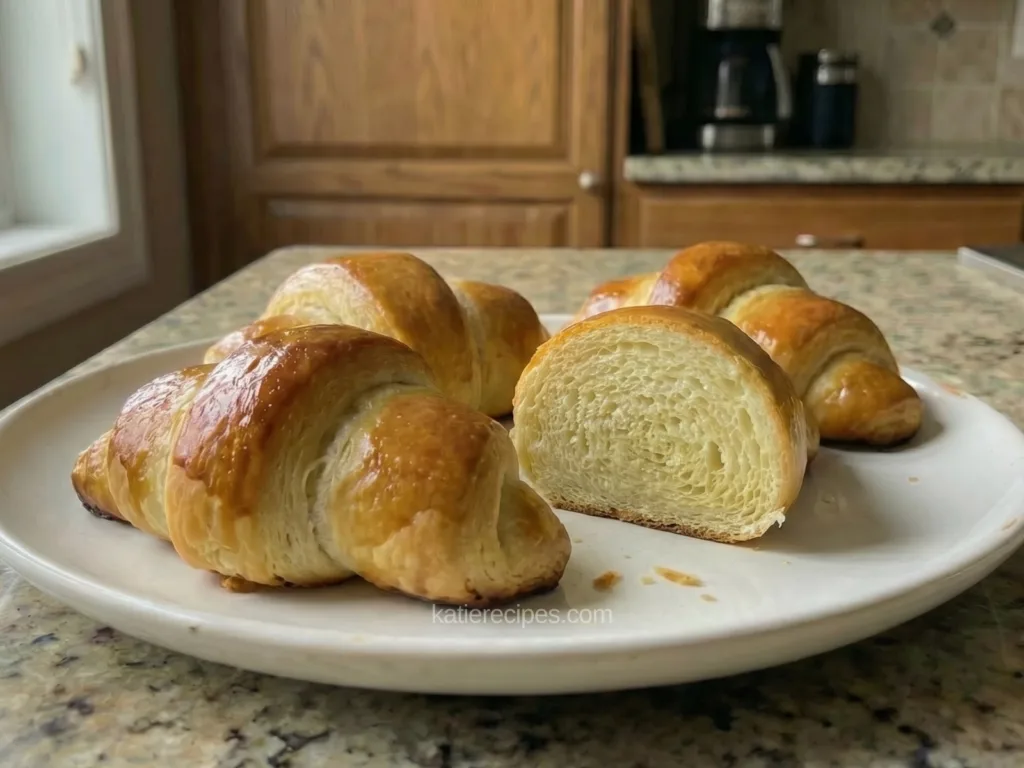
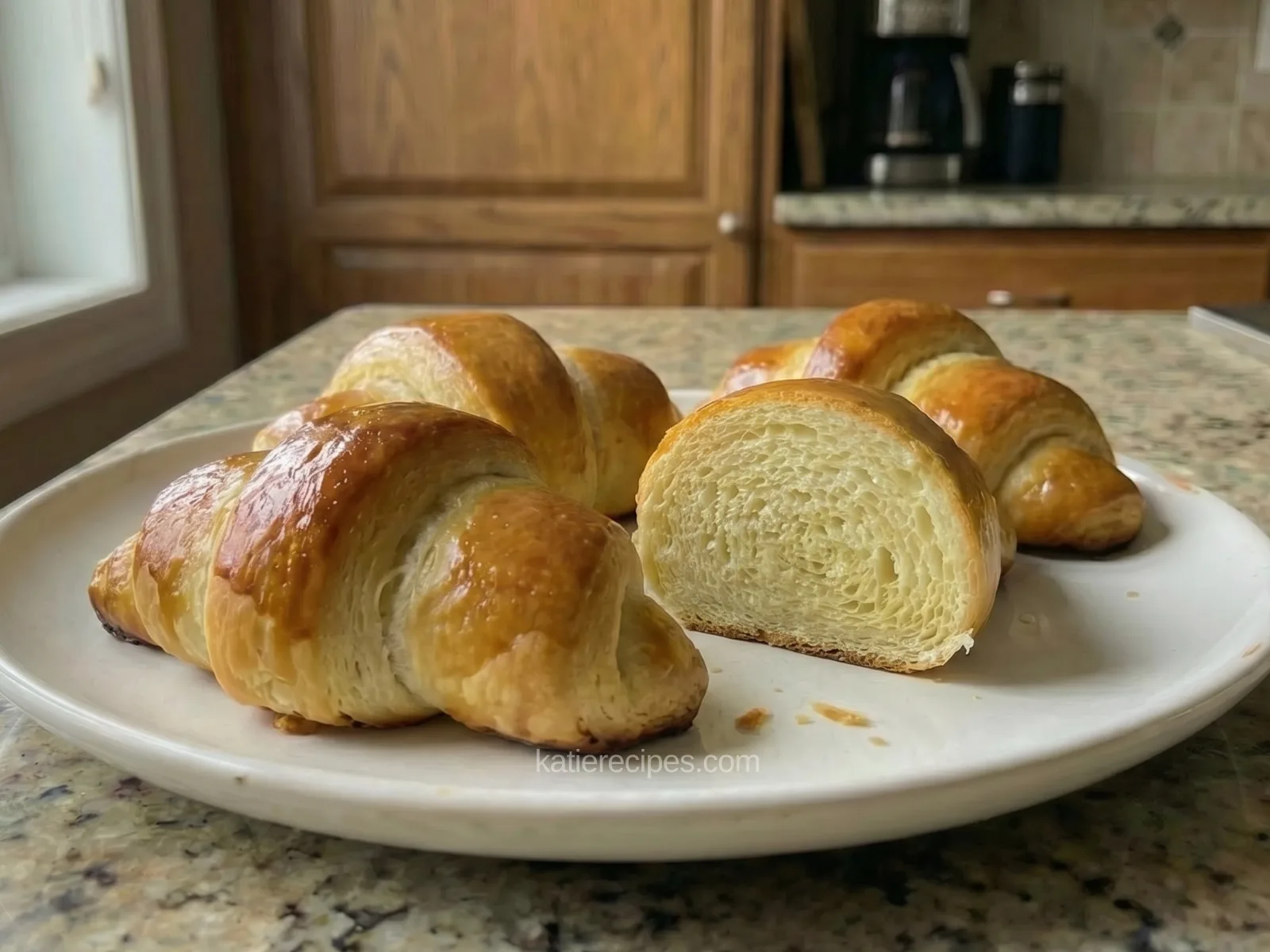
Not perfectly. My triangles were uneven, a couple leaked butter onto the pan, and two of them looked more like lumpy blobs than crescents. But they came out golden, they smelled incredible, and they tasted — genuinely — like something from a bakery. My partner ate three before they’d fully cooled down.
Gipfeli are Switzerland’s version of the crescent pastry. They’re softer than a French croissant, a little less shattery, and the texture is closer to tender than flaky. If you grew up eating them in Switzerland or at a Swiss café, you know exactly what I mean. If you haven’t, just know: they’re better than they sound, and they’re more doable than you’d think.
The dough takes time, but it doesn’t take skill. Mostly it takes cold butter and not rushing the rises. That’s really the whole secret.
Table of Contents
Why You’ll Love This Gipfeli Recipe
This isn’t a “perfect for entertaining!” situation. It’s more of a “you’ll make this on a slow Saturday and feel genuinely good about your life” kind of bake.
The dough is forgiving — more than I expected. You can keep them plain or fill them with chocolate, jam, or cheese. They freeze well once baked, and they reheat in the oven like they were just made. And the second-day ones, slightly warm, with coffee? Honestly better than most café pastries.
Ingredients You’ll Need
500g all-purpose flour (about 4 cups) – Regular flour is fine. If you’re measuring by cups, spoon it in gently and level off. Don’t pack it.
50g granulated sugar (about ¼ cup) – Just enough to take the edge off without making them sweet. Gipfeli aren’t dessert.
10g salt (about 2 tsp) – Don’t skip this. Buttery dough without salt just tastes… hollow.
10g active dry yeast (about 2 tsp) – Check the date on the packet. Old yeast is a waste of an afternoon.
250ml whole milk, warmed to about 37°C / 98°F (about 1 cup) – Warm but not hot. If it feels comfortable on your wrist, you’re there.
250g unsalted butter, cold, cut into small cubes (about 1 cup) – Cold. This matters more than almost anything else in the recipe. Warm butter disappears into the dough and you lose the layers entirely.
1 egg – For the egg wash. This is how you get the glossy golden color.
Optional – chocolate chips (about ½ cup / 100g) – The easiest filling. They don’t leak the way jam does.
Optional – jam or fruit preserves (about ½ cup / 100g) – Good choice, but use less than you think. A teaspoon per piece, max.
Optional – cheese (about ½ cup / 100g) – Something that melts. Nothing too wet or it’ll make the dough soggy.
Optional – seeds (poppy, sesame) – Sprinkle after egg wash so they stick.
How to Make This Gipfeli Recipe
Start with the dry ingredients. In a large bowl, mix together the flour, sugar, salt, and yeast. I always do this first so the salt isn’t sitting directly on the yeast — it probably doesn’t matter much, but it’s a habit now.
Add the cold butter cubes and work them in with your fingers or a pastry cutter until you’ve got coarse, uneven crumbs with visible flecks of butter throughout. It takes a few minutes. That’s fine. You want those butter pieces — they’re what creates the layers later.
Pour in the warm milk gradually, stirring as you go. The dough will look a bit rough and shaggy at first. Keep going. Once it comes together into a rough ball, turn it out onto a lightly floured surface and knead for about 10 minutes. You’re looking for smooth and elastic, not sticky. It won’t look like a showpiece — just solid and workable.
Transfer to a greased bowl, cover it, and leave it somewhere warm until it’s doubled in size. That’s usually between one and two hours depending on how warm your kitchen is.
Once it’s risen, punch it down gently — not aggressively, just enough to deflate it — and knead it lightly to bring it back together.
Roll the dough out into a large rectangle, roughly half a centimetre thick. The edges don’t need to be perfect. Cut it into triangles with a base of about 10–12cm and a length of 15–20cm. If they’re all slightly different sizes, don’t stress about it.
If you’re filling them, add a small amount near the wide end — really just a little, especially with jam. Overfilling is almost always how you end up with burnt bottoms and leaky pans.
Roll each triangle from the wide base toward the point, snug but not tight, then curve the ends slightly inward to make the crescent shape. Set them on a parchment-lined baking sheet with some room between them, cover, and let them puff up for 30 to 60 minutes.
Preheat the oven to 200°C / 390°F. Beat the egg and brush it over each one. If you’re using seeds, add them now.
Bake for 15 to 20 minutes until they’re a deep golden brown. Pale gipfeli taste underdone — they need actual color. Pull them out, let them cool on a rack, and try to wait at least ten minutes before eating one. The inside is still setting up.
Optional: brush with a little melted butter while they’re warm. It’s not necessary. But it does make the kitchen smell even better.
Gipfeli Recipe
Ingredients
Equipment
Method
- In a large bowl, mix together the flour, sugar, salt, and yeast until combined.
- Add the cold butter cubes and work them into the flour mixture with your fingers or a pastry cutter until coarse, uneven crumbs form and small pieces of butter are still visible.
- Gradually pour in the warm milk, stirring until a rough, shaggy dough forms.
- Turn the dough out onto a lightly floured surface and knead for about 10 minutes, until smooth and elastic.
- Transfer the dough to a lightly greased bowl, cover, and let rise in a warm place for 1 to 2 hours, or until doubled in size.
- Gently punch down the dough and knead it briefly to bring it back together.
- Roll the dough into a large rectangle about 1/2 centimeter thick. Cut it into triangles with a base of about 10 to 12 centimeters and a length of 15 to 20 centimeters.
- If using a filling, place a small amount near the wide end of each triangle.
- Roll each triangle from the wide end toward the point, keeping it snug but not tight, then curve the ends inward slightly to form crescents.
- Place the shaped gipfeli on a parchment-lined baking sheet, leaving space between them. Cover and let rise for 30 to 60 minutes, until puffed.
- Preheat the oven to 200 C / 390 F. Beat the egg and brush it over each gipfeli. Sprinkle with seeds if using.
- Bake for 15 to 20 minutes, until deep golden brown. Cool on a wire rack for at least 10 minutes before serving. Brush with melted butter while warm if desired.
Notes
The Trick That Actually Changed My Results
Before the troubleshooting guide, I want to talk about one thing specifically — because it made a bigger difference than anything else I’ve tried.
Instead of cutting cold butter into cubes, freeze it and grate it directly into the flour on a box grater.
That’s it. That’s the thing.
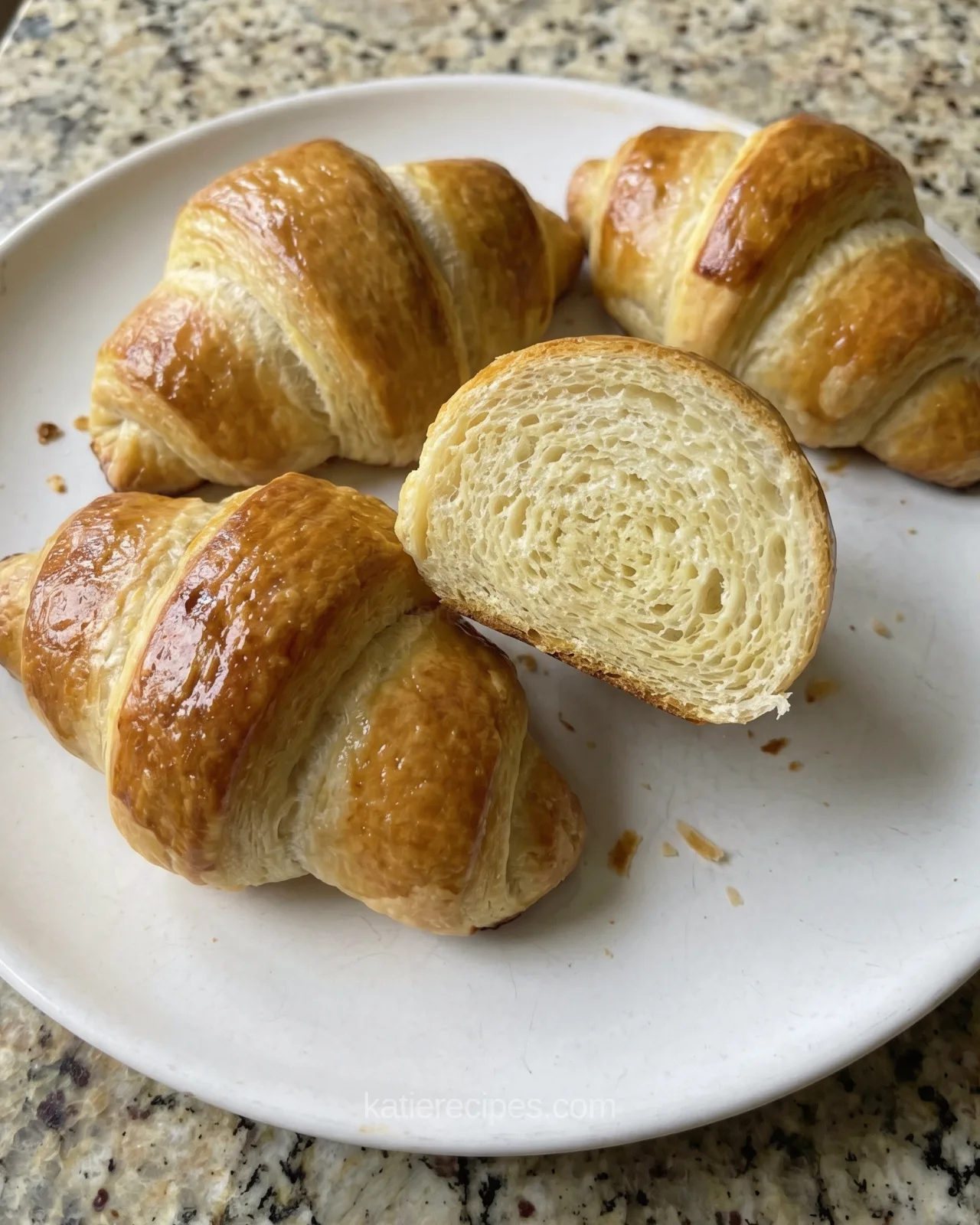
When you grate frozen butter, you get hundreds of tiny slivers that coat themselves in flour immediately and stay completely separate from each other. There’s no risk of the butter warming up while you’re cutting it, no clumping, no over-mixing. The pieces are small enough to distribute evenly but large enough to create real layers. The first time I did it this way, the difference in the final texture was immediate — more separation, more of that tender-but-structured crumb that makes a proper Gipfeli feel different from just a bread roll shaped like a crescent.
To do it: put your butter in the freezer for 20–30 minutes before you start. When you’re ready, hold it by one end (with a bit of parchment so your hand doesn’t warm it) and grate it straight into the flour. Toss it lightly with the flour as you go so the shreds don’t clump together. Then pour in the milk and mix.
One visual check that tells you you’re on the right track: after you’ve mixed in the milk and the dough has come together, if you press it flat and look at the cross-section, you should see small white streaks of butter in a beige dough. Those streaks are your layers. If the dough looks uniform and smooth all the way through, the butter has fully incorporated and you’ll get a denser result. Not bad — just not the same thing.
My “Don’t-Lose-the-Layers” Mini Guide
Everything else that trips people up:
- If your kitchen is warm, chill the dough. Any time it starts feeling soft or greasy while you’re rolling, wrap it up and put it in the fridge for 15–20 minutes. Cold dough = layers. Warm dough = a denser, bread-like result.
- Don’t over-flour the surface. Too much flour dries out the dough and makes the layers tighter and less tender. Use just enough to keep it from sticking.
- Don’t rush the second rise. That 30–60 minute puff before baking makes a real difference to the final texture. Skip it and they come out denser than they should be.
- With jam fillings: one teaspoon, not two. It will look like not enough. It is enough. More than that and it boils out, burns on the pan, and makes a mess.
- Bake until genuinely golden. If you’re second-guessing whether they need another minute, they do. Pale gipfeli have a slightly doughy middle. Give them the color.
- The first batch teaches you everything. Uneven triangles, imperfect curves, one that unrolled — none of it ruins them. The second batch always looks better.
Helpful Tips
If you want to prep these ahead, shape the gipfeli the night before, place them on a tray, cover tightly, and refrigerate. In the morning, take them out and let them sit at room temperature until they’ve puffed up slightly — usually about 45 minutes to an hour — then egg wash and bake as normal. This is actually my preferred method because the cold overnight rest seems to improve the texture slightly.
Chocolate chip filling is the most reliable if you’re filling for the first time. The chips stay put, they don’t turn to liquid the way jam does, and they’re easier to manage when rolling.
For reheating baked gipfeli, the oven is the only right answer. 160°C for about 8 minutes. The microwave makes them soft and a little sad.
Frequently Asked Questions
Is a Gipfeli recipe the same as a croissant recipe?
Similar approach, different result. Gipfeli typically have less layering than a French croissant — the texture is softer and more tender rather than shattery. They’re also slightly less rich in some versions, though this recipe is fairly buttery. If you’ve only ever made croissants, you’ll find Gipfeli a bit more forgiving.
Why didn’t mine get flaky?
Almost always the butter got too warm. When butter melts into the dough instead of staying in distinct pieces, you lose the separation between layers. Next time, if the dough starts feeling soft or looks shiny while you’re working it, stop and chill it. Even 15 minutes in the fridge makes a difference.
Can I freeze them?
Yes — both baked and unbaked. For unbaked, freeze after shaping. When you’re ready to bake, thaw overnight in the fridge, let them rise at room temperature, then egg wash and bake. For baked ones, let them cool completely first, then freeze. Reheat from frozen in the oven at 160°C for about 10–12 minutes.
Can I make them without fillings?
Completely. Plain is actually the classic version and honestly the one I make most often. The butter flavor comes through more clearly without anything competing with it.
What if my dough doesn’t rise?
Usually means the yeast wasn’t active. Either it was old, or the milk was too hot and killed it. Check that your yeast hasn’t expired, and make sure the milk is warm but not steaming — if it’s too hot to hold your finger in comfortably, let it cool before adding the yeast.
Final Thoughts
Making a Gipfeli recipe at home takes a few hours, but most of that is just waiting — for the dough to rise, for the shaped pieces to puff, for the oven to do its thing. The actual hands-on time is maybe 45 minutes spread across the process.
The first batch is always a little rough. That’s normal. By the second time you make these, you’ll know what the dough should feel like, how full to fill them, and exactly when they’re done in your oven.
They’re worth the afternoon.